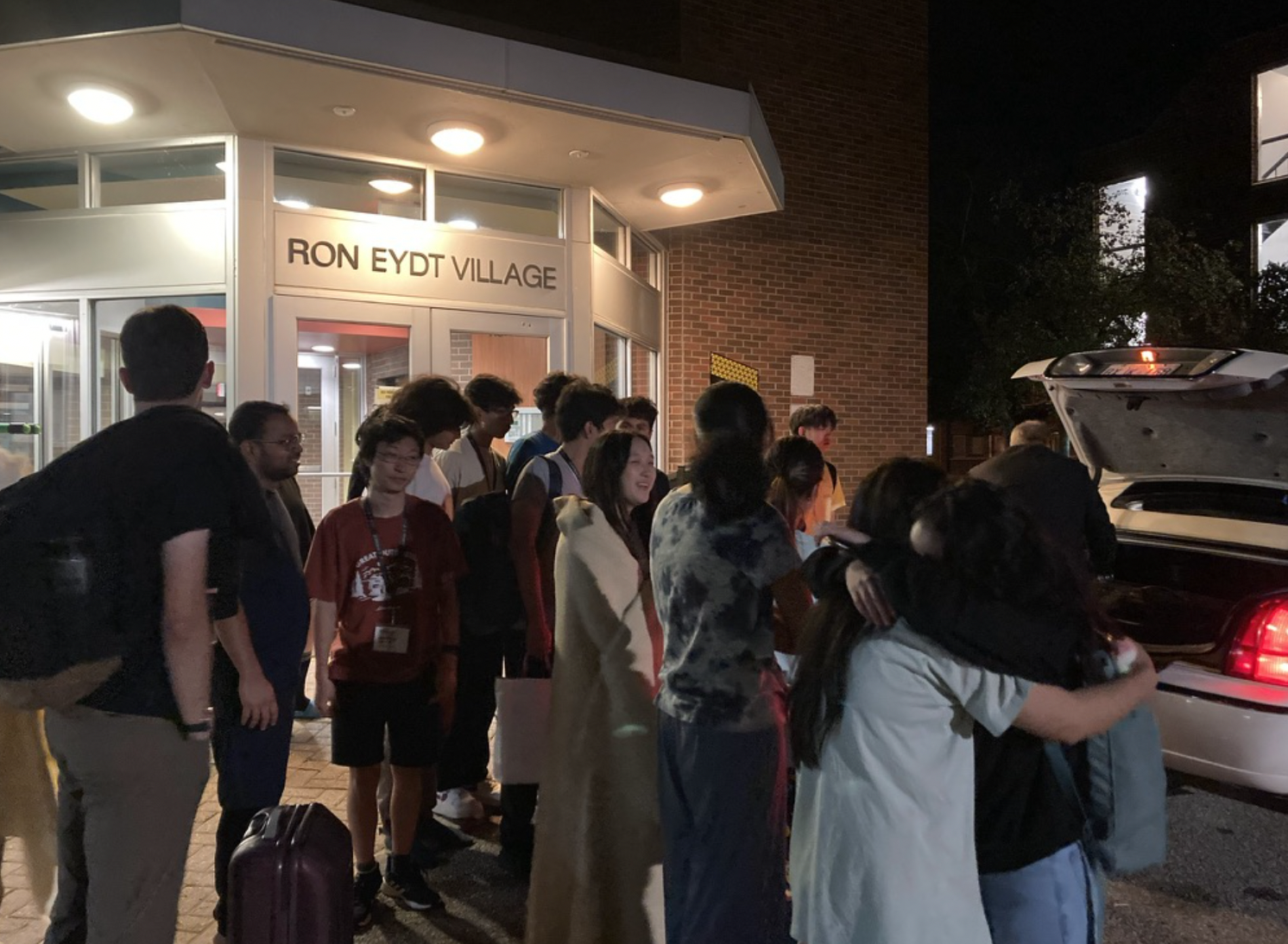
Quantum mechanics is often described as counter-intuitive, mathematically dense, and philosophically perplexing. In August 2023, I spent a week living and breathing it at the Quantum School for Young Students (QSYS).
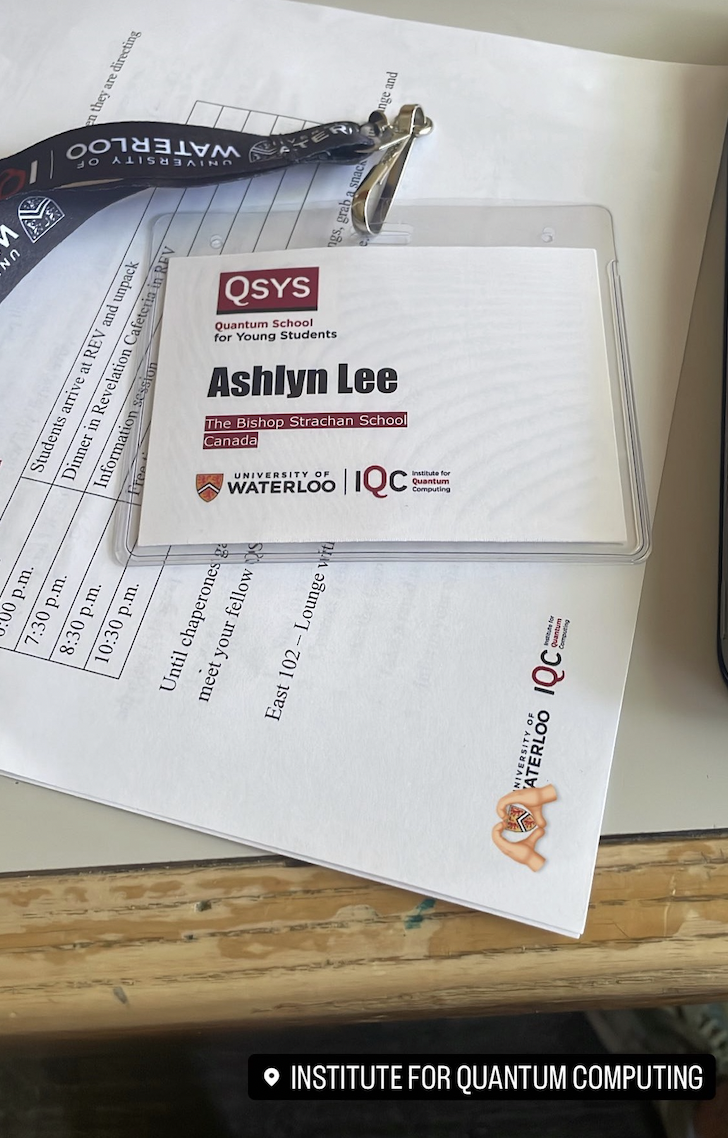
Hosted by the Institute for Quantum Computing (IQC) at the University of Waterloo, QSYS is a highly specialized program bridging the gap between high school physics and undergraduate quantum mechanics.
Selection & Scope
Getting into the program was its own challenge. QSYS is a fully-funded, residential program which had made it incredibly competitive.
To be honest, I really didn't expect to get in. I was selected as the youngest attendee in a cohort of 45 international students, but only after they made a special exception to accept anyone under 16.
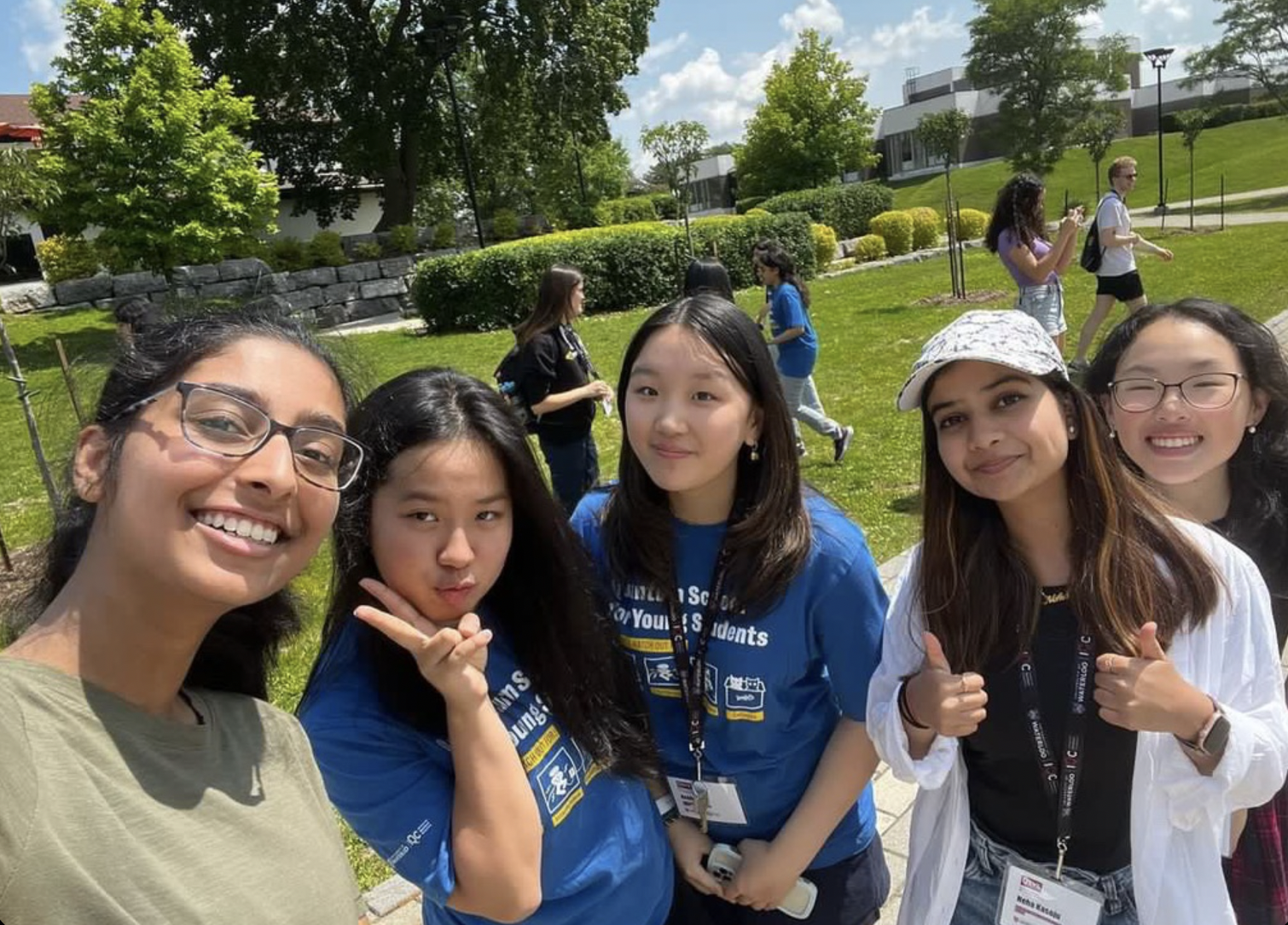
Being surrounded by people who were not just "good at math" but genuinely passionate about anything from nuclear physics to quantum cryptography to scientific entrepreneurship was incredibly inspiring.
The Curriculum
The week wasn't just lectures; it was a rigorous introduction to the mathematics that power quantum computing. We moved beyond the pop-science explanations of "Schrödinger's Cat" and began with fundamental linear algebra concepts, which we had all readily mastered through a textbook provided by the program written by Dr. Martin Laforest .
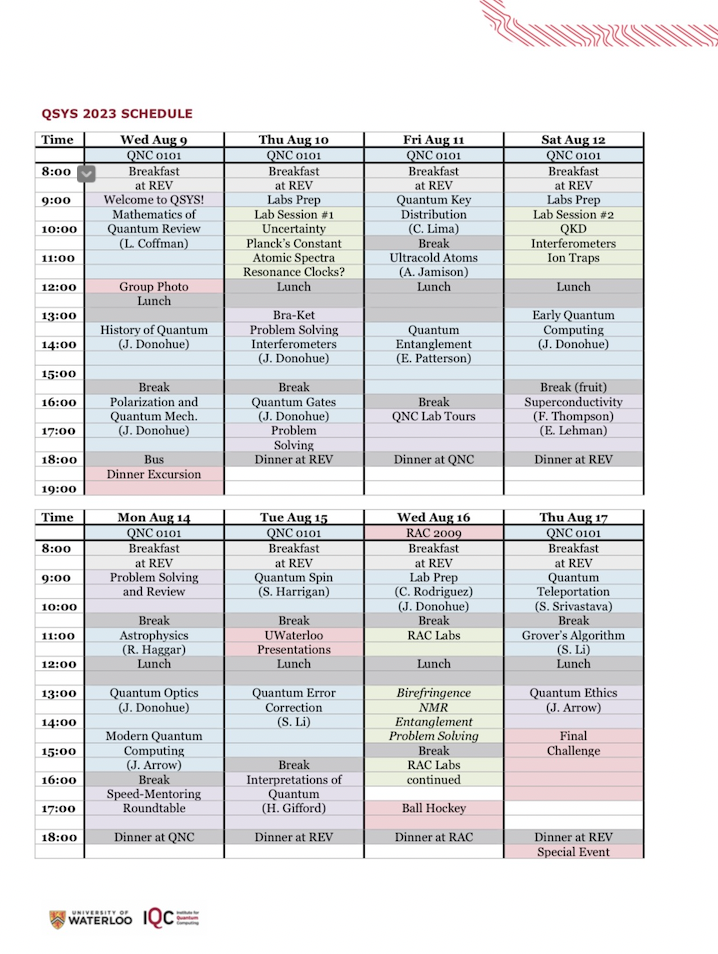
The schedule was intense. We covered everything from Quantum Key Distribution (QKD) and Interferometers to Grover's Algorithm and Quantum Error Correction, only within the span of 10 days.
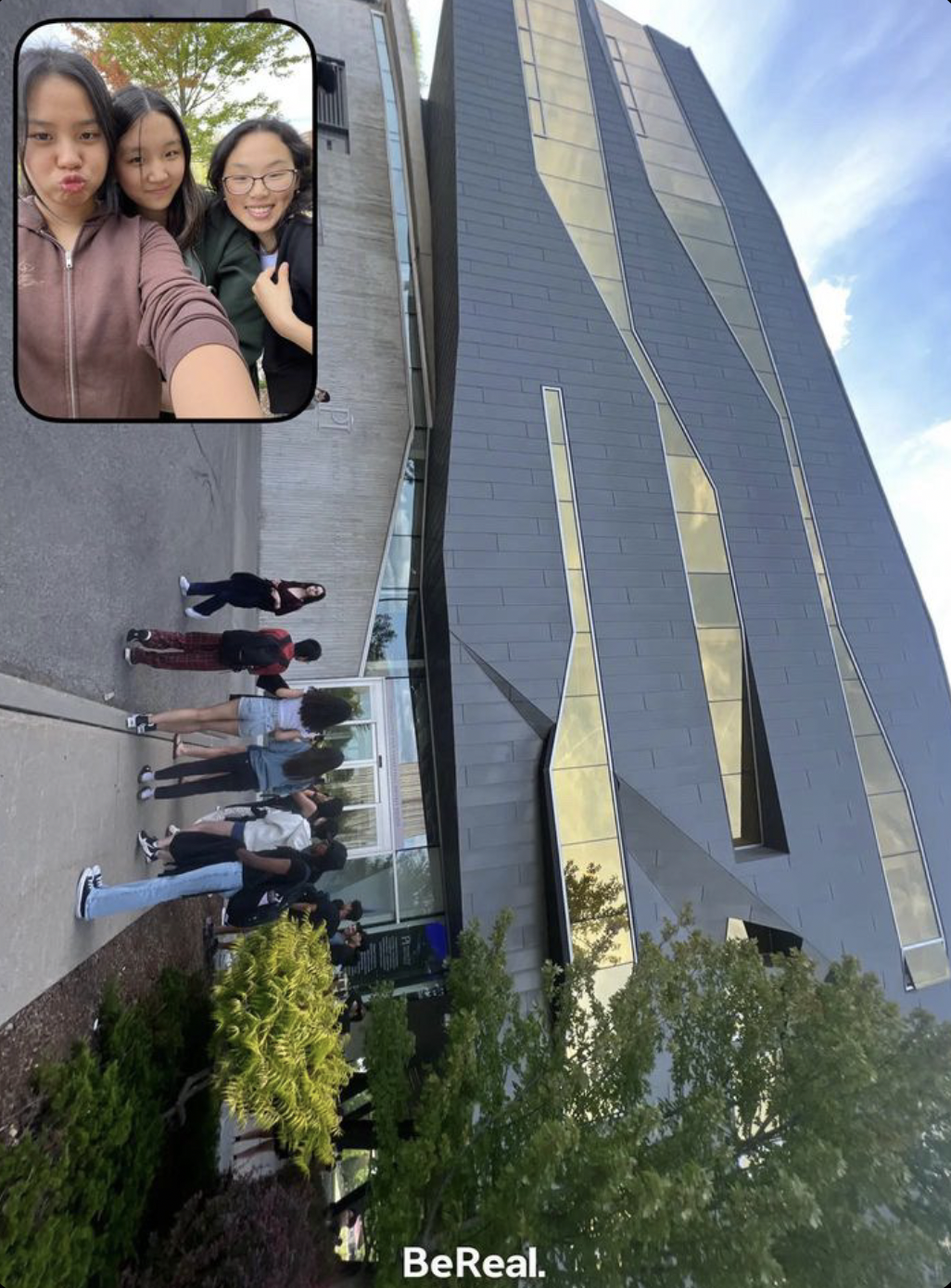
We also balanced the intense academics with exploration of Waterloo's world-class research hubs, including visits to facilities like the Perimeter Institute for Theoretical Physics. These breaks were crucial for digesting the intense waves of new information.
Doing the Math
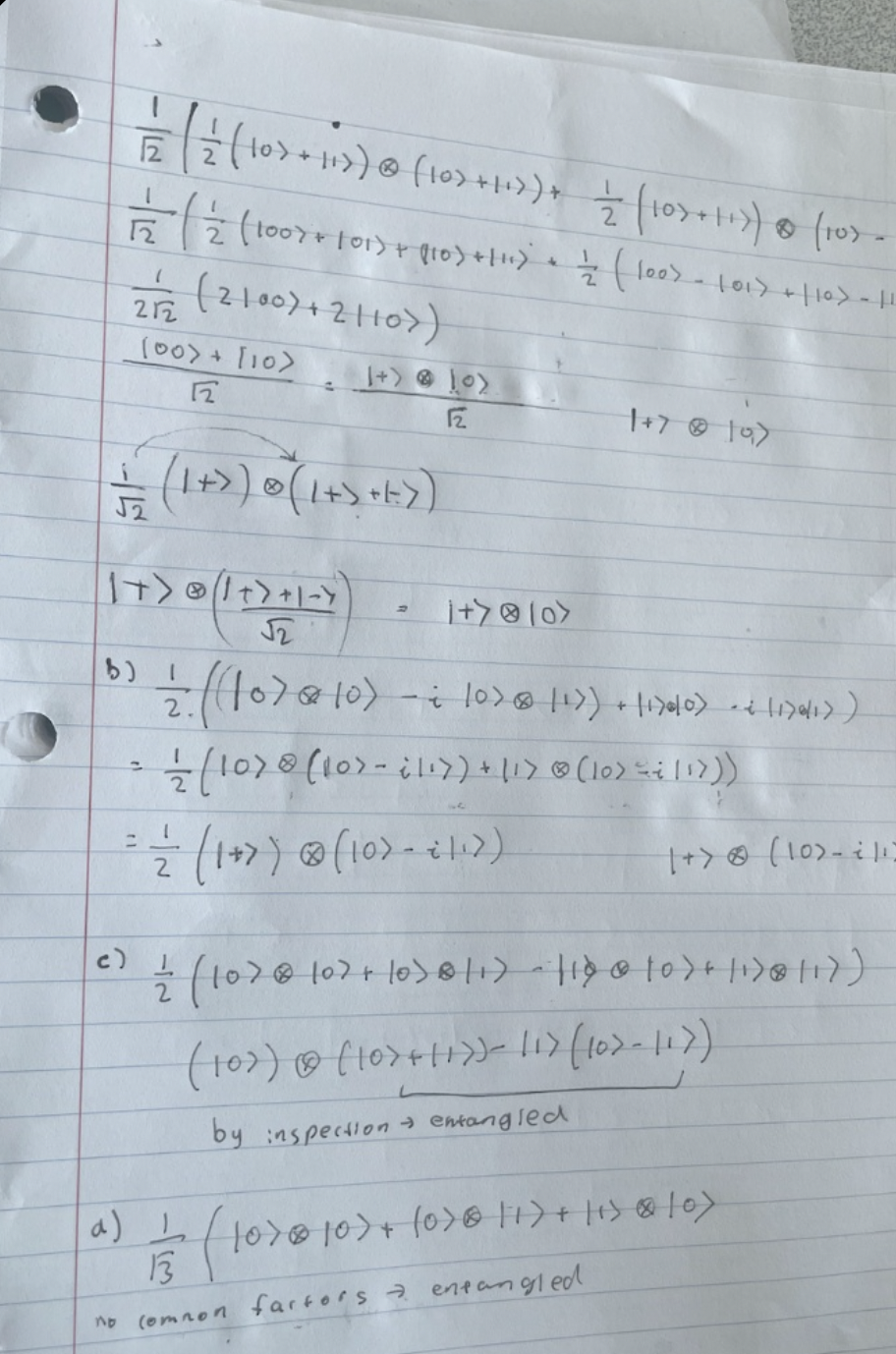
One of my favorite parts was realizing that quantum mechanics isn't magic—it's linear algebra. We spent hours working through Dirac notation (bra-ket), calculating tensor products ($otimes$), and mathematically proving entanglement.
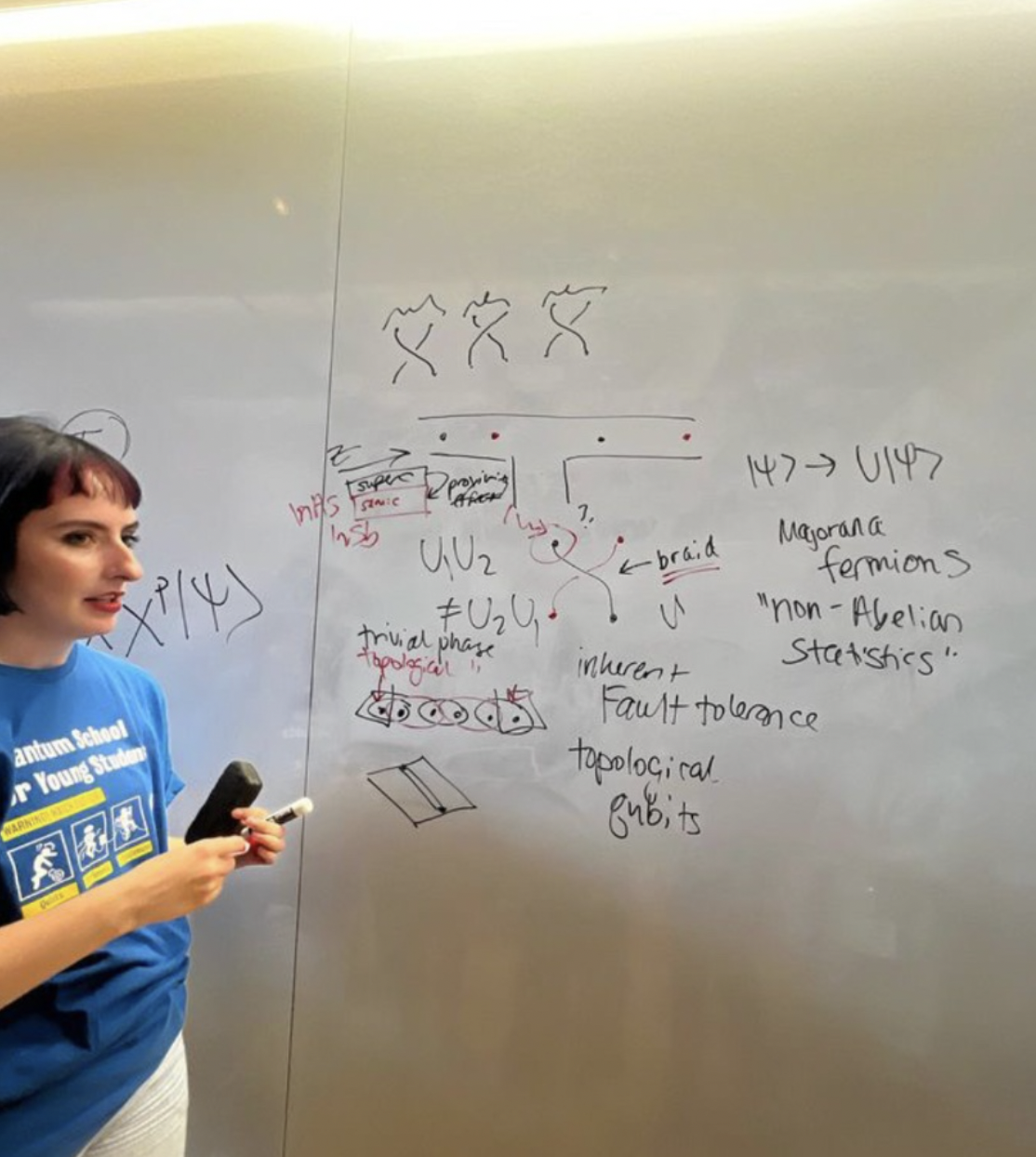
We even ventured into far advanced topics such as Topological Qubits and Majorana Fermions (as seen on the whiteboard above). This involved
exploring how "braiding" particles could lead to inherent fault tolerance in quantum computers.
The additional learning was facilitated by the amazing MSc Fiona Thompson during our free time, and I was grateful for the opportunity to dive deeper into the topological qubits in particular.
Takeaways
QSYS truly propelled me into the forefront of quantum computing; it was a hands-on preview of academic research and likely one of the most action-packed experiences and a great way to spend part of my summer. Transitioning from high school Newtonian physics to the probabilistic nature of quantum mechanics required a complete shift in mindset.
Being the youngest in the room was also such an enriching experience. It shook any fear I had away about being "too young" to contribute meaningfully to advanced topics, and I left feeling empowered to pursue engineering and physics at a higher level.